What is Inline Flexo Printing Machine?
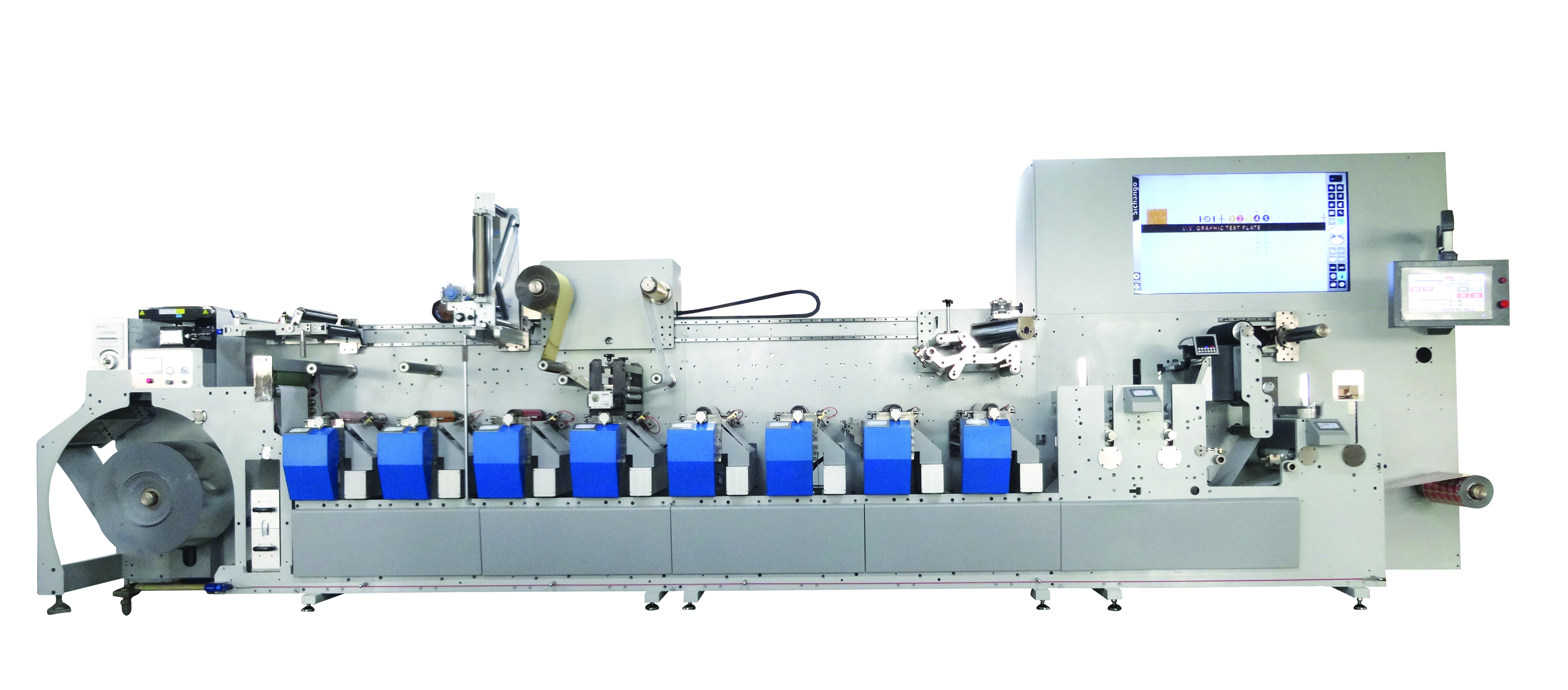
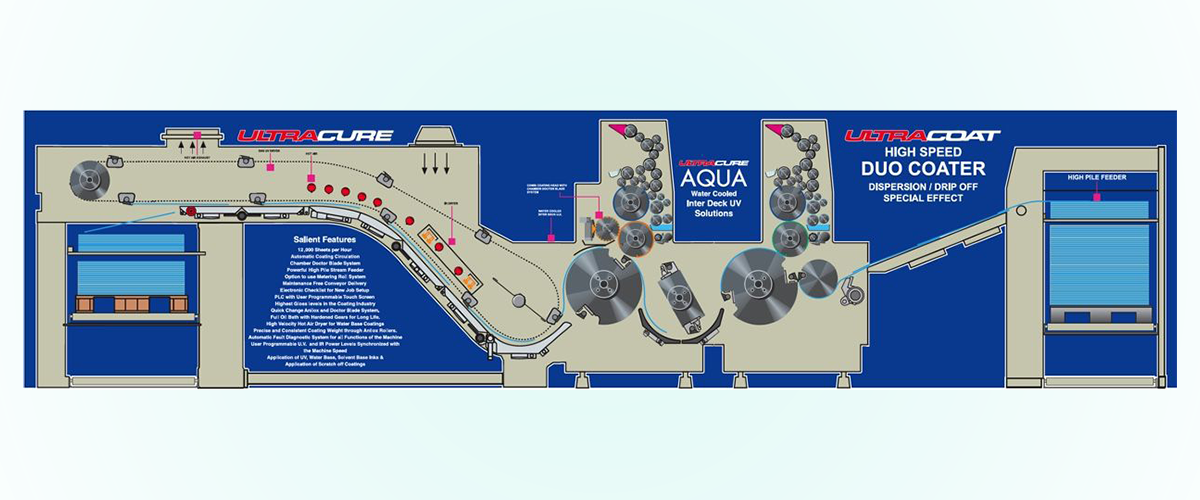
The Inline Flexo Printing Machine is a modern, high-speed, and versatile printing press
that uses flexible relief plates to transfer ink onto a variety of substrates. This
printing process, commonly known as flexography, is used in various industries for
packaging and label printing. The inline configuration allows for a seamless, continuous
production process, making it ideal for high-volume printing operations. Unlike
traditional printing methods, flexo printing accommodates a wide range of materials,
including paper, plastic films, corrugated board, and more. It’s known for delivering
high-quality prints at high speeds and is an essential tool for businesses focused on
mass production.
Inline Flexo Printing Machines have evolved significantly over the years, integrating
advanced technologies for faster, more efficient operations. These machines are commonly
used in the production of food packaging, beverage labels, consumer goods, and even
industrial products. By using multiple printing stations in a linear arrangement, the
machine can print, dry, and apply coatings all in a single pass, enhancing both speed
and output quality.
Key Features of Inline Flexo Printing Machine
Inline Flexo Printing Machines are designed with several key features that enhance their
efficiency and versatility. Some of these features include:
- Multiple Printing Stations: Inline Flexo machines are equipped with multiple
stations,
each dedicated to a specific task, such as printing, coating, and drying. This setup
helps achieve high production speeds without compromising on quality.
- Quick Changeover Mechanisms: These machines are designed for quick job changes,
allowing operators to switch between different print jobs with minimal downtime,
making
them ideal for short-run production.
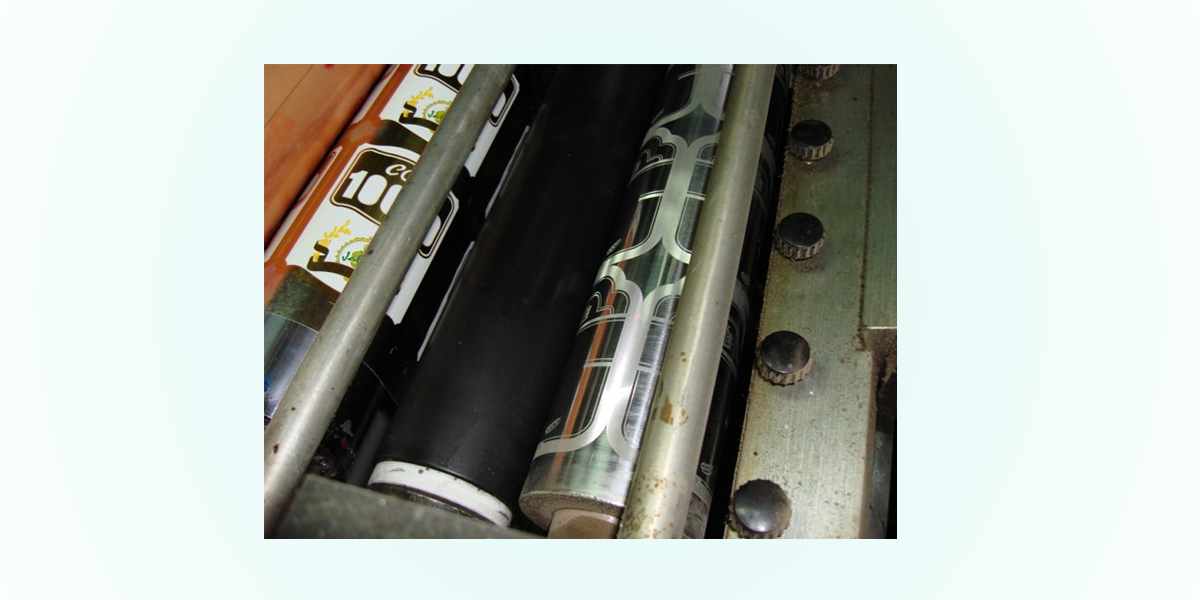
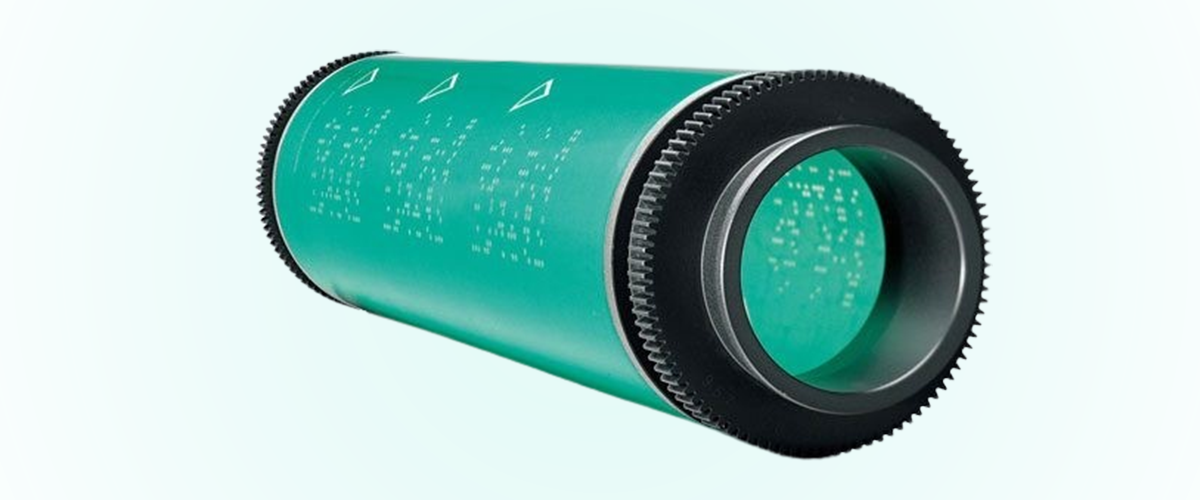
- High-Quality Printing: With advanced anilox rolls, doctor blades, and precision
printing plates, Inline Flexo Printing Machines deliver sharp, high-quality prints
on a
variety of substrates.
- Integrated Drying Systems: The inline configuration typically includes drying units
for fast ink curing, ensuring that the prints are smudge-free and ready for further
processing or packaging.
- Automated Features: Many models come with automated registration control systems,
tension control, and web guiding systems to ensure that the printed images remain
perfectly aligned and consistent.
- Eco-Friendly: Modern Inline Flexo Printing Machines are designed to use eco-friendly
inks, which reduce the environmental impact of the printing process. Additionally,
the
machines are energy-efficient and require less waste than traditional printing
technologies
Technical Specifications
Inline Flexo Printing Machines come with varying technical specifications depending on
the model, but some of the general technical features include:
- Print Width: Varies from 500mm to 1600mm, depending on the machine configuration and
intended application.
- Speed: The printing speed typically ranges from 100 meters per minute to 500 meters
per minute, depending on the machine's size and the complexity of the job.
- Ink Type: UV, solvent, and water-based inks are supported, with UV inks being the most
common in high-speed production for their fast drying times.
- Substrate Compatibility: Capable of printing on a wide variety of substrates,
including paper, films, foil, and coated materials.
- Number of Stations: Typically ranges from 4 to 10, with some models allowing for
additional stations for more complex applications.
- Number of Stations: Typically ranges from 4 to 10, with some models allowing for
additional stations for more complex applications.
- Curing System: UV curing, hot air drying, or LED drying options are available,
depending on the type of ink used and the substrate.
- Automation: Fully automated registration, tension control, and color management
systems are standard in modern machines to ensure high-quality prints.
Benefits of Inline Flexo Printing Machine
Inline Flexo Printing Machines offer numerous advantages for businesses seeking
efficiency and high-quality production. Here are some of the key benefits:
- High-Speed Production: Inline Flexo machines can operate at very high speeds,
significantly increasing productivity and reducing lead times. This is ideal for
industries that require quick turnaround times, such as packaging and labels.
- Cost Efficiency: By eliminating the need for separate printing, drying, and coating
processes, Inline Flexo machines reduce operational costs. Their efficient use of
materials also lowers waste, leading to cost savings.
- Versatility: These machines are capable of printing on a wide variety of materials,
including different types of paper, films, foils, and non-porous substrates, making
them
ideal for various industries, from food packaging to medical labels.
- Environmentally Friendly: The use of water-based and UV inks, as well as
energy-efficient technologies, reduces the environmental footprint of the printing
process.
- Consistency and Precision: With automated registration and color control systems,
Inline Flexo Printing Machines ensure consistent print quality with high levels of
precision across long production runs.
- Enhanced Quality: Modern flexo printing presses produce high-quality results, with
sharp and vibrant images that are comparable to offset printing. This makes them
suitable for high-quality packaging and label printing.
Applications of Inline Flexo Printing Machine
Inline Flexo Printing Machines are widely used across various industries for different
applications, including:
- Packaging: The ability to print on various substrates, including films, papers, and
foils, makes these machines ideal for producing packaging materials such as cartons,
labels, and flexible packaging.
- Label Printing: Flexo presses are commonly used to print labels for consumer goods,
including food, beverage, cosmetics, and pharmaceuticals.
- Corrugated Packaging: Inline Flexo Printing Machines are used in the production of
corrugated boxes and cartons, essential for shipping and storing products.
- Textiles: Flexo printing is also used in textile industries for printing on fabrics
and garments.
- Industrial Products: Many industrial sectors, including automotive and electronics,
use flexographic printing to print on components, such as labels, packaging, and
parts.
Comparison with Inline Flexo Printing Machine
When compared to other printing technologies, Inline Flexo Printing Machines offer
distinct advantages:
- Vs. Offset Printing: Offset printing produces high-quality prints but requires a
longer setup time and is less versatile than flexo printing. Inline Flexo machines,
on
the other hand, offer faster turnarounds, lower waste, and can print on a wider
variety
of substrates.
-
Vs. Gravure Printing: Gravure printing is ideal for high-quality, long-run prints
but
is typically more expensive to set up. Inline Flexo Printing Machines are more
cost-effective for shorter runs and more flexible with the types of materials they
can
print on.
-
Vs. Digital Printing: Digital printing offers high-quality output but lacks the
speed
and scalability of flexo printing. Flexo printing is superior for large production
runs,
while digital is better for custom, short-run jobs.
Maintenance and Operational Insights
To keep Inline Flexo Printing Machines running smoothly, regular maintenance is
essential. Key maintenance tasks include:
- Ink System Cleaning: Regular cleaning of the ink system, including anilox rolls and
doctor blades, ensures the print quality remains consistent and prevents clogging.
- Mechanical Checkups: Routine checks on mechanical parts like bearings, gears, and
rollers are necessary to prevent wear and tear, ensuring a longer machine lifespan.
- Tension Control: Monitoring and adjusting the tension of the substrate throughout
the
printing process can help avoid defects like misalignment or paper jams.
- Calibration: Regular calibration of the color management system and registration
controls helps maintain optimal print quality.
Future Trends in Inline Flexo Printing Machine
The future of Inline Flexo Printing Machines looks promising, with several emerging
trends:
- Automation and AI Integration: Advances in automation and artificial intelligence
are
likely to lead to more efficient machines that can self-adjust for optimal
performance,
reducing the need for manual intervention.
-
Sustainability: The demand for eco-friendly printing solutions is on the rise.
Future
machines will likely incorporate more sustainable features, such as reduced ink
waste,
energy-efficient designs, and environmentally friendly ink options.
-
Smart Monitoring Systems: The introduction of more advanced monitoring systems will
allow for real-time diagnostics, predictive maintenance, and enhanced operational
control, further improving machine efficiency.
-
Increased Versatility: Future machines will be even more adaptable, capable of
handling a broader range of materials and offering faster, more precise printing for
various industries.
Conclusion
Inline Flexo Printing Machines are an essential component of modern printing, offering
high-speed, high-quality, and cost-effective solutions for a wide range of industries.
With their advanced features, including automated systems, quick changeovers, and
environmental considerations, they provide an excellent choice for businesses seeking
efficient, high-quality printing solutions. As technology continues to evolve, the
Inline Flexo Printing Machine will likely become even more versatile and sustainable,
meeting the growing demands of industries worldwide.