What is Flexo Machine?
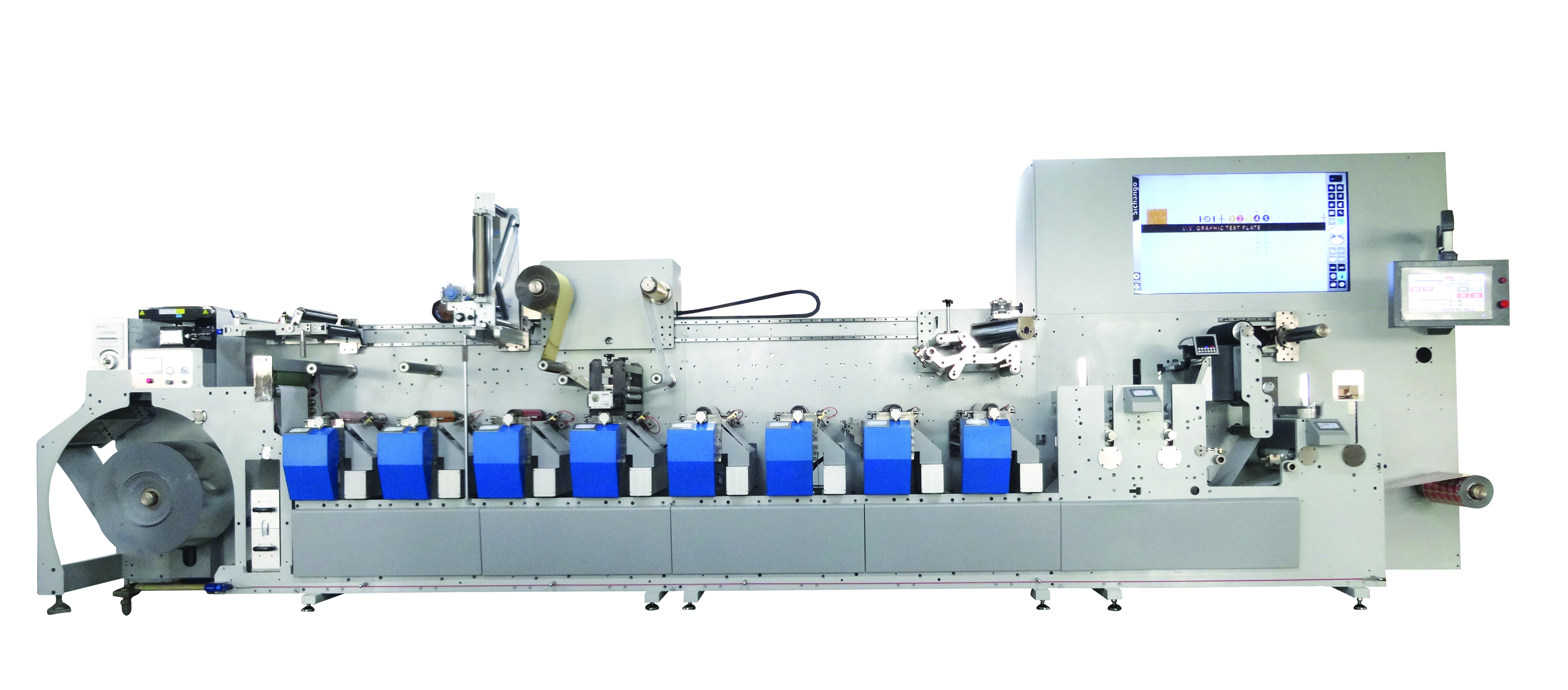
Flexo printing, often referred to as flexographic printing, is a modern form of rotary
printing that uses flexible relief plates to print on a variety of substrates. A flexo
machine is designed to print high-quality designs, logos, and text on flexible materials
like paper, plastic films, and corrugated cardboard. This technology is a versatile
solution in the packaging industry, delivering high-speed printing with vibrant color
reproduction.
The Flexo machine operates on the principle of applying ink to the surface of a
substrate through a flexible plate, which ensures clean and crisp impressions, even on
uneven or irregular surfaces. With continuous advancements, modern flexo machines are
equipped with enhanced features, enabling faster production cycles, better print
quality, and more eco-friendly options.
Key Features of Flexo Machine
Flexo machines come equipped with several key features that enhance their performance
and capabilities:
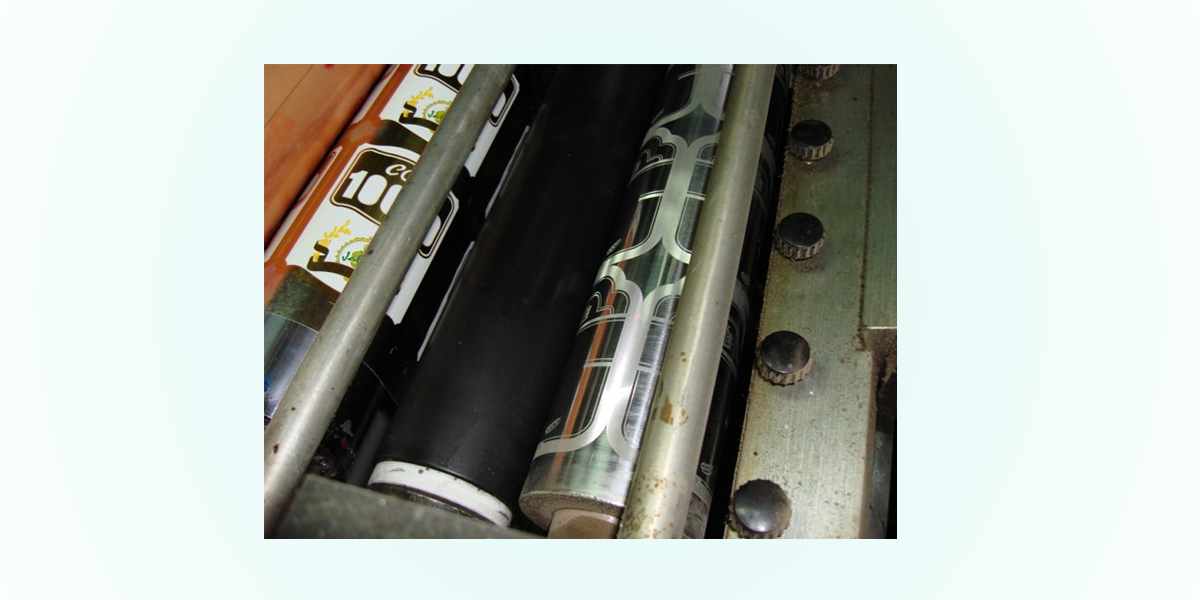
- Rotary Printing Mechanism: Flexo machines are built on a rotary printing system that
ensures high-speed production. The flexible plates rotate continuously, transferring
ink
onto the substrate with precision.
-
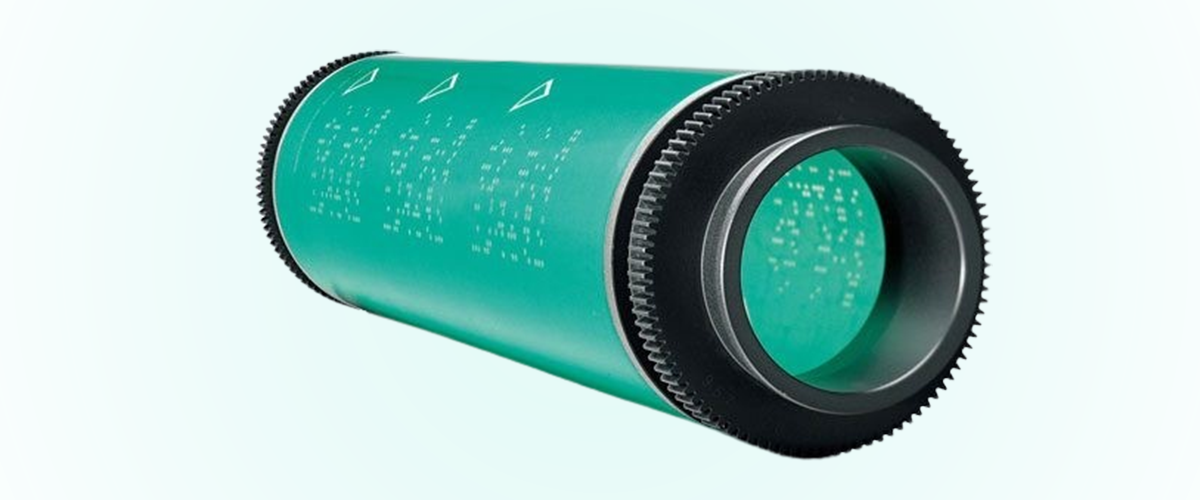
Flexographic Plates: The flexible plates used in flexo printing are made of
photopolymer, rubber, or other materials. These plates are mounted onto a cylinder
and
feature raised areas that correspond to the design being printed.
-
In-line and Stack Configuration: Flexo machines are available in both in-line and
stack configurations. In-line setups are more common for smaller jobs, while stack
flexo
printers are used for larger-scale production.
-
High-Speed Operation: Flexo machines are capable of high-speed operation, with some
models achieving up to 1,000 meters per minute, making them ideal for mass
production of
packaging materials.
- Ink Systems: Flexo machines use various ink types, including water-based,
solvent-based, and UV-curable inks. These systems are designed for quick drying
times,
reducing production delays.
- Automatic Registration System: The registration system ensures that the printed
image
is aligned perfectly on the substrate, improving precision and reducing waste.
- Eco-friendly Options: Many modern flexo machines are designed with eco-friendly
features like low-VOC inks and energy-efficient systems, reducing the environmental
impact of the printing process.
Technical Specifications
Flexo machines come with a wide range of technical specifications tailored to different
printing needs. Here are some of the most important specifications:
- Printing Speed: Flexo printing machines can operate at speeds of 300 meters per
minute
to over 1,000 meters per minute, depending on the model and the type of substrate.
- Print Width: Flexo machines offer a wide variety of print widths, ranging from
small-format (250 mm) to large-format (1,600 mm or more), depending on the
application.
- Ink Types Supported: Flexo machines are compatible with various types of inks,
including water-based, UV-curable, and solvent-based inks, giving operators
flexibility
in selecting the right ink for their projects.
- Print Resolution: Flexo printing offers high-quality print resolution, typically
ranging from 100 to 200 lines per inch (LPI), allowing for fine detail and sharp
image
reproduction.
- Number of Color Stations: Flexo machines can accommodate multiple color stations,
usually between 4 to 10, allowing for multicolor printing in a single pass.
- Substrate Compatibility: Flexo machines are capable of printing on various
substrates,
including paper, film, foil, and nonwoven materials.
- Drying Systems: The machines feature integrated drying systems, such as hot air, UV
lamps, or infrared dryers, to quickly dry ink and prevent smudging.
- Automation and Control: Advanced flexo machines come equipped with automated systems
for ink mixing, pressure adjustment, and tension control, improving efficiency and
reducing human error.
Benefits of Flexo Machine
Flexo machines offer numerous benefits, making them the go-to choice for many printing
applications:
- High-Speed Production: One of the key benefits of flexo machines is their ability to
produce high-quality prints at an incredibly fast speed, resulting in increased
productivity and reduced lead times.
- Versatility: Flexo printing can be used on a wide range of substrates, including
paper, plastic films, metallic foils, and even fabrics. This makes it an excellent
choice for packaging materials, labels, and other flexible printed products.
- Cost-Effective: Flexo printing can be more cost-effective for high-volume production
due to its high speed and efficiency. The ability to print on various substrates
without
changing the printing plates is an added advantage.
- Consistency and Precision: The flexibility of the printing plates allows for
consistent, precise prints over long production runs, ensuring high-quality results
throughout the printing process.
- Environmental Benefits: Many flexo printing systems use water-based or UV inks,
which
are more environmentally friendly compared to traditional solvent-based inks,
reducing
VOC emissions and improving sustainability.
- Customization: Flexo machines are capable of producing custom prints, which is
crucial
in the packaging industry. The ability to print detailed designs, logos, and text on
flexible materials adds to the versatility of the flexo printing process.
Applications of Flexo Machine
Flexo machines are widely used in a variety of industries due to their versatility and
speed. Some common applications include:
- Packaging: Flexo machines are extensively used in the production of packaging
materials, such as corrugated boxes, labels, flexible packaging films, and pouches.
The
ability to print on various substrates makes them ideal for packaging solutions in
food,
beverage, and consumer goods sectors.
- Labels: Flexo printing is commonly used to produce high-quality labels for products,
including retail, industrial, and pharmaceutical labels. Flexo’s ability to print
fine
details and vibrant colors makes it ideal for product branding.
- Newspapers and Magazines: While less common than offset printing, flexo machines can
be used for printing newspapers and magazines, especially when using low-cost paper
and
requiring high-speed production.
- Nonwoven Fabrics: Flexo printing is used to print on nonwoven materials like
textiles
and wipes, commonly seen in medical, hygiene, and industrial products.
-
Tissue and Hygiene Products: Flexo printing is widely used for decorating tissue
products, napkins, and other hygiene-related products, where high-quality prints are
essential for branding.
- Corrugated Boards: Flexo machines are used for printing on corrugated cardboard,
which
is commonly used for packaging large and heavy products.
Comparison with Flexo Machine
When comparing flexo printing machines to other printing technologies like lithography,
gravure, and screen printing, several factors need to be considered:
- Cost: Flexo printing is typically more cost-effective for large print runs compared
to
lithography and gravure. The low setup costs and high-speed production make it an
ideal
choice for mass production.
- Print Quality: While flexo printing offers high-quality results, it may not match
the
fine detail achievable with lithography. However, modern flexo machines can produce
high-resolution prints that rival traditional methods.
- Substrate Flexibility: Flexo machines can print on a wide variety of substrates,
including paper, plastic, metal foil, and textiles, whereas other printing methods
may
be more limited in this respect.
- Environmental Impact: Flexo printing is generally more environmentally friendly than
gravure or offset printing, especially when using water-based or UV-curable inks. It
produces fewer VOCs and uses less energy compared to other methods.
Maintenance and Operational Insights
Regular maintenance is essential to keep a flexo machine operating at peak efficiency.
Key maintenance tasks include:
- Cleaning and Replacing Plates: The printing plates must be cleaned regularly to
ensure
consistent print quality. Over time, the plates may need to be replaced due to wear.
- Ink System Maintenance: Regularly checking the ink system and ensuring proper ink
flow
and consistency is crucial to prevent clogging or uneven ink distribution.
- Checking Rollers and Cylinders: The rollers and cylinders should be inspected for
wear
and tear to prevent damage to the substrate.
- Tension Control: Ensuring proper tension control throughout the printing process is
essential to avoid paper jams or misprints.
- Regular Software Updates: Many modern flexo machines are equipped with advanced
control systems that require regular updates and calibration to optimize
performance.
Future Trends in Flexo Machine
The flexo printing industry is evolving rapidly with the introduction of new
technologies and innovations:
- Automation and Smart Technologies: Future flexo machines will feature more advanced
automation, including real-time monitoring, predictive maintenance, and increased
integration with digital technologies.
- Eco-Friendly Printing: The industry will continue to move towards more sustainable
practices, with a focus on reducing the environmental impact of flexo printing. This
includes using biodegradable inks, reducing waste, and improving energy efficiency.
- Improved Print Quality: Innovations in ink formulations and plate technologies will
continue to enhance the print quality of flexo machines, pushing the boundaries of
resolution and color accuracy.
- Faster Speeds and Higher Productivity: The development of faster flexo machines
with
higher throughput will cater to growing demand for mass production in industries
such as
packaging and labels.
Conclusion
Flexo machines play a vital role in the modern printing industry, particularly in the
packaging, label, and printing sectors. With their ability to print on a wide variety of
substrates at high speeds, flexo machines offer a versatile, cost-effective solution for
both small and large print runs. As the industry continues to innovate, flexo printing
technology is expected to evolve, with advancements in automation, eco-friendly options,
and print quality paving the way for an even more efficient and sustainable future.
At U.V Graphics Technology, we provide top-of-the-line flexo machines, ensuring our
clients benefit from the latest technology and superior print quality.